
Alaskan Yellow Cedar has a pale-yellow color when new and naturally develops a light silver-gray patina when left unfinished outdoors. For homeowners, architects, and contractors choosing cedar shingles or shakes, that change is an important part of planning the finished look.
A sample shows the wood’s starting color. Understanding how it weathers helps you picture the exterior years after installation.
What Does New Alaskan Yellow Cedar Look Like?
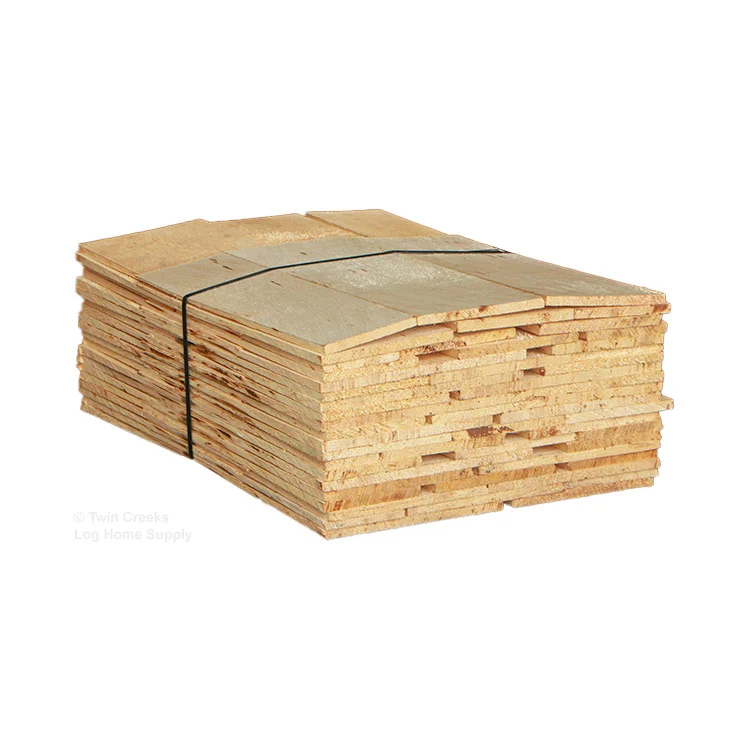
New Alaskan Yellow Cedar has a light, warm appearance, with fine texture and straight grain. Its relatively uniform pale yellow tone gives shingles and shakes a distinctive starting palette.
From a design standpoint, that lighter color can complement white trim, natural stone, and darker accent colors. Shingles create a more tailored surface, while shakes add texture and shadow. Either option lets the natural wood contribute to the exterior’s character.
When choosing materials, view actual product samples outdoors. Lighting and surrounding colors can change how the wood looks, so a photograph alone may not tell the whole story.
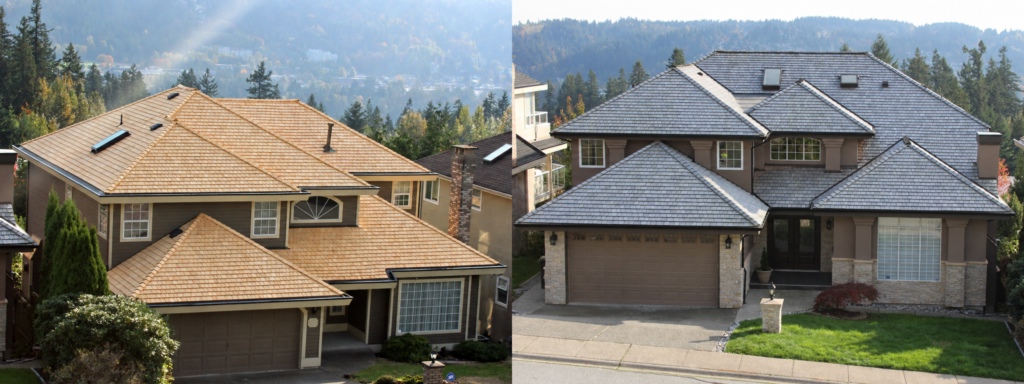
Why Does Alaskan Yellow Cedar Turn Silver Gray?
Unfinished wood changes as sunlight and weather act on its exposed surface. Over time, Alaskan Yellow Cedar’s yellow tone gives way to a lighter, silvery gray appearance.
This color transition is part of natural weathering. It occurs at the surface, so the weathered exterior can look different from the wood underneath.
For a project designed around a natural, aged appearance, that silver-gray patina can be part of the appeal. The key is choosing the material with both its fresh color and its future appearance in mind.
Will Every Area Weather the Same Way?
Do not expect every part of a building to change color at the same pace. Areas exposed to sun and rain experience different conditions from areas protected by roof overhangs or nearby structures.
During the transition, an exterior may show a mixture of yellow and gray tones. Consider those exposure differences when reviewing the design, particularly if a consistent color is a priority.
There is no single weathering schedule that fits every project. Local conditions, exposure, and any applied finish influence the result. Photos of older installations in similar settings can be more useful than a promise that the wood will reach a particular shade by a specific date.
Can You Preserve the Yellow Color?
If you prefer the fresh appearance, discuss suitable finishing options before installation. A compatible finish with UV protection can help slow color change, although it will need maintenance.
For cedar shingle and shake siding, finish options include:
- Transparent finishes: Keep the natural grain visible. Protection and effects on color depend on the specific product.
- Semi-transparent stains: Add pigment while allowing some grain to show.
- Solid stains or paint: Provide a more opaque color and cover much of the natural grain.
Test the proposed finish on an actual sample. Confirm compatibility with the shingle or shake manufacturer and the coatings manufacturer, especially for treated products.
Roofing requires separate guidance. A finish intended for siding should not automatically be used on a cedar roof.
Choosing the Right Look for Your Project
Before ordering Alaskan Yellow Cedar shingles or shakes, decide whether the goal is a fresh wood appearance, natural silver-gray weathering, or a selected finish color.
Review samples, consider the building’s exposure, and discuss the expected maintenance with the project team. Those choices help align the material with the appearance the owner wants over time.
At Capital Forest Products, we supply Alaskan Yellow Cedar shingles and shakes for roofing and siding projects. Explore our Alaskan Yellow Cedar products and contact our cedar team to discuss product options and availability.