
European lumber has become an important part of the North American building materials market. Builders, lumber dealers, manufacturers, and distributors rely on European softwood products because they offer consistency, versatility, and dependable performance across a wide range of applications.
From the forests of Scandinavia to the lumber-producing regions of Central and Eastern Europe, European lumber supports everything from residential construction and roof trusses to packaging and industrial manufacturing. As a result, demand for these products continues to grow throughout North America.
But what exactly is European lumber, and why do so many buyers choose it?
What Is European Lumber and Where Does It Come From?
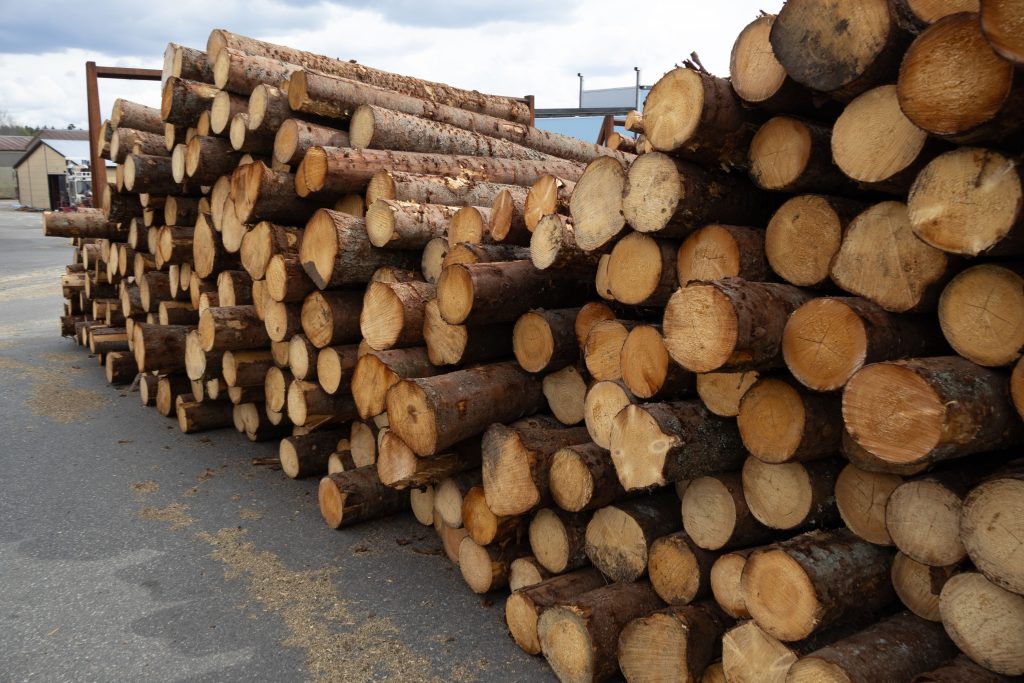
European lumber refers to wood products harvested and manufactured throughout Northern, Central, and Eastern Europe. The region contains some of the world’s most productive forest resources and has supplied quality softwood products for generations.
The most common European lumber species include:
- Nordic Spruce (Picea abies)
- Scots Pine (Pinus sylvestris)
- Central European Spruce
Together, these species provide the strength, workability, and versatility required for many construction and industrial applications.
Furthermore, European producers have invested heavily in modern sawmill technology and manufacturing processes. Consequently, buyers often associate European lumber with consistency and reliable quality.
Why North American Buyers Choose European Lumber
North American buyers have many softwood options available. However, European lumber continues to earn a strong reputation for several reasons.
Consistent Quality
One of the biggest advantages of European lumber is consistency. Many producers utilize advanced manufacturing equipment and strict grading standards. Therefore, builders and manufacturers often receive products with predictable characteristics and dependable performance.
Reliable Supply
Europe contains multiple lumber-producing regions, which helps support a diverse supply chain. As a result, distributors and buyers can access a broad range of products and species.
Versatile Applications
Whether a project requires framing lumber, packaging materials, industrial components, or engineered wood products, European softwood species can often meet the need.
Strong Structural Performance
Many European lumber species offer excellent strength-to-weight ratios. Because of this, builders frequently use them in structural applications where performance and efficiency matter.
Nordic Spruce: A Leading European Lumber Species
Among all European lumber species, Nordic Spruce stands out as one of the most widely used.
Found throughout Sweden, Norway, and Finland, Nordic Spruce plays a major role in both domestic construction and export markets. The species grows in cooler climates, which contributes to the consistency for which Scandinavian lumber is known.
Benefits of Nordic Spruce Lumber
Excellent Strength-to-Weight Ratio
Nordic Spruce delivers impressive structural performance while remaining relatively lightweight. Consequently, builders often choose it for framing, roof systems, wall panels, and engineered wood products.
Consistent Appearance
In addition, Nordic Spruce typically features a uniform grain pattern and a clean appearance. This consistency makes it attractive for both structural and industrial applications.
Dimensional Stability
When manufacturers properly dry the lumber, Nordic Spruce offers good dimensional stability. As a result, it performs reliably during transportation, storage, and installation.
Easy to Work With
Builders and manufacturers appreciate how easily Nordic Spruce cuts, machines, and fastens. Therefore, the species remains a popular choice for a wide variety of products.
Common Uses of Nordic Spruce
- Residential framing
- Roof trusses
- Engineered wood products
- Packaging materials
- Industrial components
- Wall systems
Scots Pine: Another Important European Lumber Species
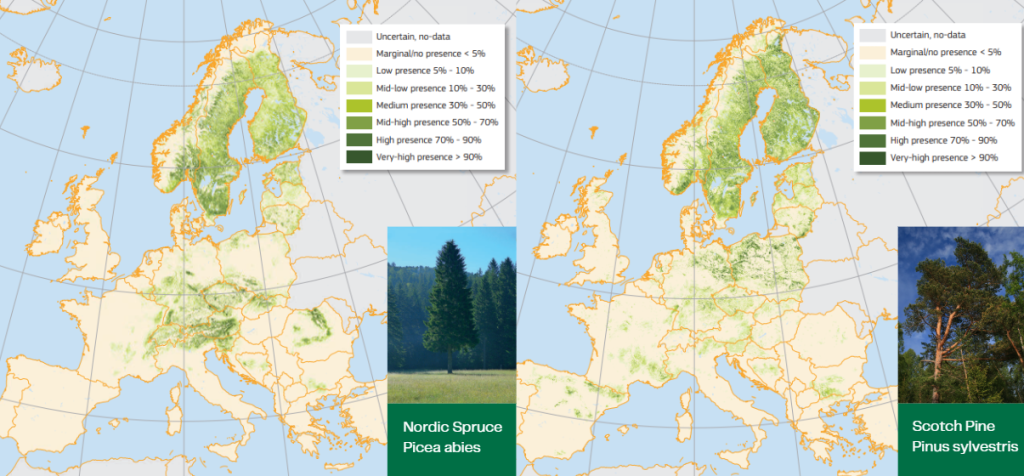
Scots Pine is another key species within the European lumber market. Found throughout Scandinavia and other parts of Northern Europe, this species offers an excellent balance of strength and workability.
As a result, manufacturers use Scots Pine across many industries.
Benefits of Scots Pine Lumber
Strong and Dependable
Scots Pine provides reliable structural properties that support a variety of construction and industrial applications.
Excellent Workability
Manufacturers frequently select Scots Pine because it machines efficiently and performs well in precision manufacturing environments.
Suitable for Multiple End Uses
Unlike some specialty species, Scots Pine adapts well to numerous applications. For example, manufacturers use it in construction products, packaging, millwork components, and industrial materials.
Common Uses of Scots Pine
- Construction lumber
- Packaging products
- Industrial materials
- Millwork components
- Outdoor applications
How Geography Influences European Lumber Species
Geography plays a significant role in the characteristics of European lumber. Different regions provide different growing conditions, which influence how lumber performs and where buyers use it.
Scandinavia
Scandinavia is known for Nordic Spruce and Scots Pine production. Because the region experiences cooler temperatures and shorter growing seasons, many buyers associate Scandinavian lumber with consistency and predictable performance.
Central Europe
Germany, Austria, and the Czech Republic produce substantial volumes of structural softwood products. In these regions, abundant forest resources combine with advanced manufacturing practices to support construction and industrial markets.
Eastern Europe
Countries such as Latvia and Romania also contribute significant volumes of softwood products. Meanwhile, their growing lumber industries help strengthen Europe’s overall supply network.
European Lumber Species at a Glance
| Species | Primary Regions | Common Uses |
|---|---|---|
| Nordic Spruce | Sweden, Norway, Finland | Framing, trusses, wall systems, engineered wood |
| Scots Pine | Sweden, Finland, Baltic Region | Construction, packaging, industrial products |
Is European Lumber Good for Construction?
Yes. Builders use European lumber throughout residential, commercial, and industrial construction projects.
For example, Nordic Spruce commonly appears in framing systems, roof trusses, wall panels, and engineered wood products. Likewise, manufacturers use Scots Pine in many construction and industrial applications.
Because these species combine strength, consistency, and versatility, European softwood products remain a trusted option for many projects.
European Lumber vs. North American Lumber
Both European lumber and North American lumber serve important roles in the construction industry. However, the species and growing conditions differ.
For example, Nordic Spruce is known for its consistency and excellent strength-to-weight ratio. Meanwhile, North American species such as Southern Yellow Pine are often selected when higher density and strength are priorities.
Ultimately, the best choice depends on the application, performance requirements, and product availability.
Frequently Asked Questions About European Lumber
What species are most common in European lumber?
The most common species include Nordic Spruce (Picea abies) and Scots Pine (Pinus sylvestris).
What is Nordic Spruce?
Nordic Spruce is a softwood species native to Northern Europe. Builders and manufacturers commonly use it in framing, industrial products, and engineered wood applications.
Why is Swedish spruce popular?
Swedish spruce is known for its consistent quality, dimensional stability, workability, and strength-to-weight ratio.
What are the advantages of European lumber?
European lumber offers consistent quality, reliable supply, versatile species options, and strong structural performance.
Is European lumber suitable for industrial applications?
Yes. Manufacturers use European softwood products in packaging, industrial materials, component manufacturing, and engineered wood products.
How European Lumber Reaches North American Markets
The story of European lumber begins in some of the world’s most productive forest regions. However, it does not end there.
Today’s buyers need dependable supply, quality manufacturing, and species that perform across a variety of applications. Therefore, strong sourcing relationships and diverse supply networks remain essential.
At Capital Forest Products, we source quality softwood products from leading lumber-producing regions throughout Europe. This approach helps us provide customers with access to dependable products while maintaining reliable supply throughout changing market conditions.
Whether you are sourcing Nordic Spruce for structural applications or Scots Pine for industrial uses, understanding the species and regions behind European lumber can help you make more informed purchasing decisions.
As demand for quality softwood products continues to grow, European lumber will remain an important resource for builders, distributors, manufacturers, and lumber dealers throughout North America.