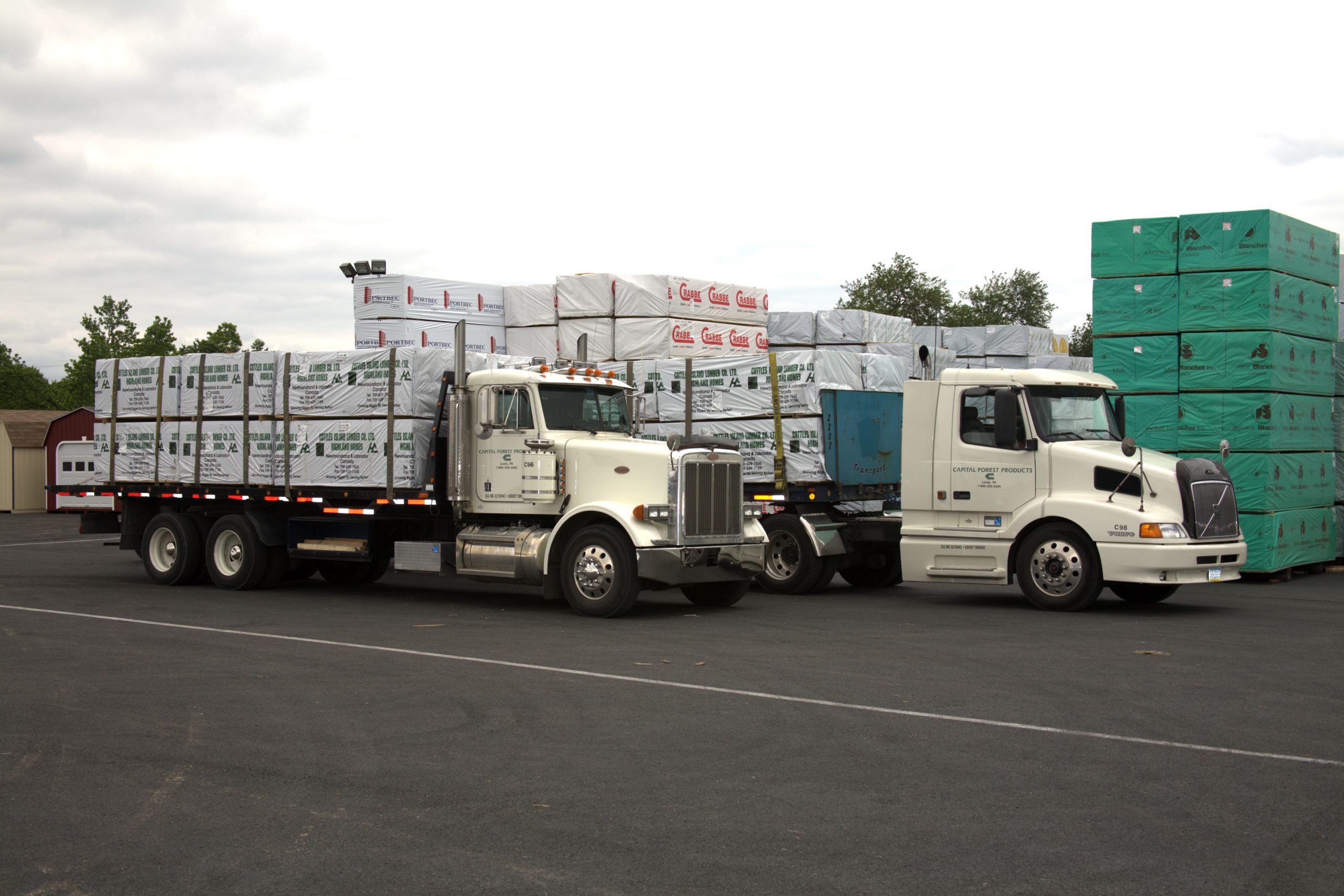
What Defines a Hardwood or Softwood?
The distinction between hardwoods and softwoods isn’t about how hard the wood is — it’s about how the trees grow.
-
Hardwoods come from deciduous trees, which lose their leaves in the fall (like oak, maple, and ash).
-
Softwoods come from coniferous trees, which keep their needles year-round (like pine, spruce, and cedar).
Their internal structure differs too: hardwoods contain dense vessel cells, giving them tighter grain patterns, while softwoods have a simpler structure that makes them lighter and easier to cut.
Strength and Density: More Than a Name
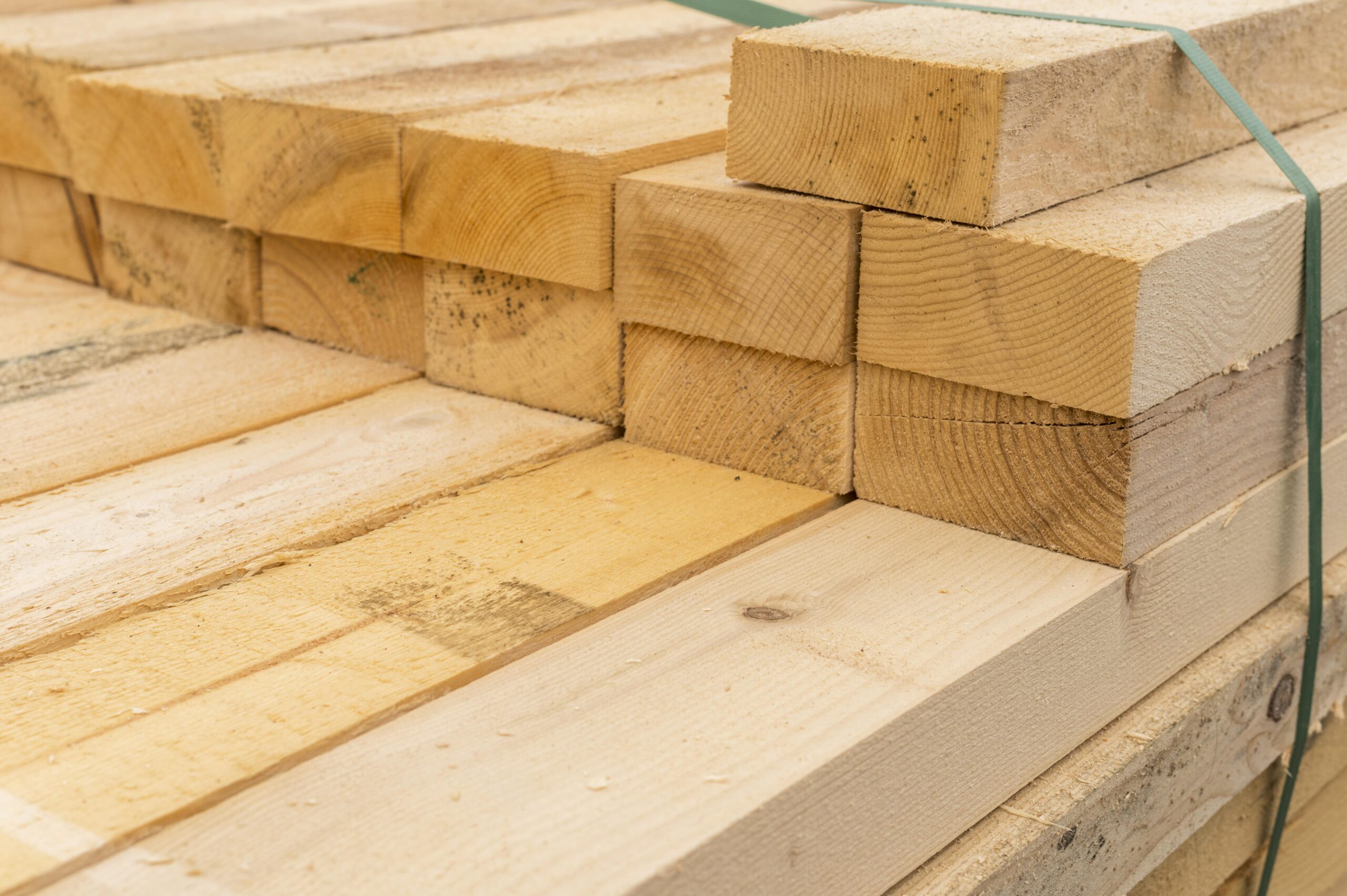
Hardwoods are typically denser and stronger, making them ideal for industrial and structural applications. Softwoods, on the other hand, are lighter and more versatile for general construction.
For example, Southern Yellow Pine—though a softwood—is denser than some hardwoods like poplar, proving the terms “hard” and “soft” can be misleading.
| Property | Hardwoods | Softwoods |
|---|---|---|
| Growth | Slower, denser grain | Faster, wider grain |
| Strength | High impact resistance | Moderate strength |
| Workability | Harder to cut and shape | Easier to mill and nail |
| Common Uses | Stakes, wedges, crane mats, pallets, flooring | Framing, siding, trim, roofing |
Applications in Construction and Industry
Hardwood Uses
At Capital Forest Products, hardwoods are the go-to material for heavy-duty and industrial purposes that demand strength and durability:
-
Stakes – durable options for construction, landscaping, and survey work
-
Wedges – for splitting, leveling, or blocking applications
-
Crane Mats – to stabilize heavy equipment and protect jobsite surfaces
-
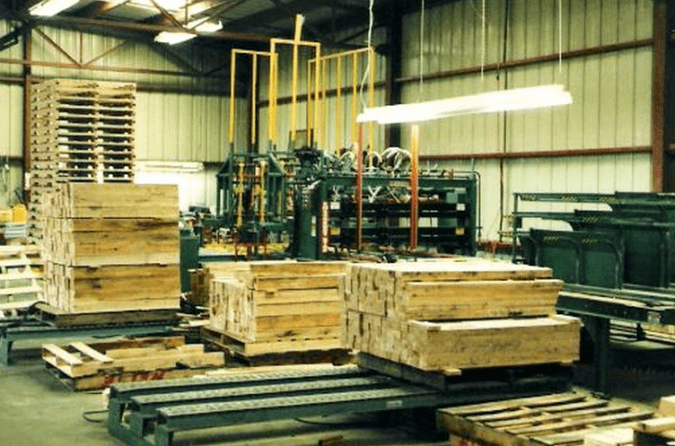
Pallet Runners and Stringers – for high-load transport systems
-
Lagging – used in retaining walls and excavation shoring
These products rely on the toughness of species like oak, hickory, and ash, which hold up under stress and impact.
Softwood Uses
Softwoods like Spruce, Pine, Cedar, and Fir dominate the building materials market thanks to their versatility and ease of handling. They’re widely used in:
-
Framing and trusses
-
Roofing and underlayment
-
Siding and trim
-
Decorative paneling and pattern boards
They’re lightweight, easy to machine, and available in consistent grades — perfect for large-scale or fast-paced construction.
Sustainability and Supply
Softwood trees grow faster, making them a renewable and cost-efficient resource for modern construction. Hardwoods take longer to mature but provide greater longevity, meaning fewer replacements over time.
When sourced responsibly from managed forests, both play an essential role in sustainable building practices — balancing renewable supply with long-term durability.
Choosing the Right Wood for the Job
Selecting between hardwoods and softwoods depends on your specific application:
-
Need load-bearing durability? → Choose hardwood.
-
Want lightweight, cost-efficient framing? → Go with softwood.
-
Facing weather exposure? → Pick species with natural resistance, such as cedar or oak.
Final Takeaway
Hardwoods and softwoods each bring unique advantages to construction, design, and industrial applications. Understanding their differences helps you specify the right product for performance, longevity, and cost efficiency.
At Capital Forest Products, we supply both — from industrial hardwoods for high-impact applications to premium softwoods like spruce, pine, and cedar for framing, siding, and finish work.