
When choosing materials for construction, landscaping, or agricultural applications, stakes may seem like a small detail. However, the type of stake you use can directly impact efficiency, durability, and overall job performance.
In this guide, we’ll break down the difference between Douglas Fir vs hardwood stakes, helping you determine which option is best for your specific application.
What Are Douglas Fir Stakes?
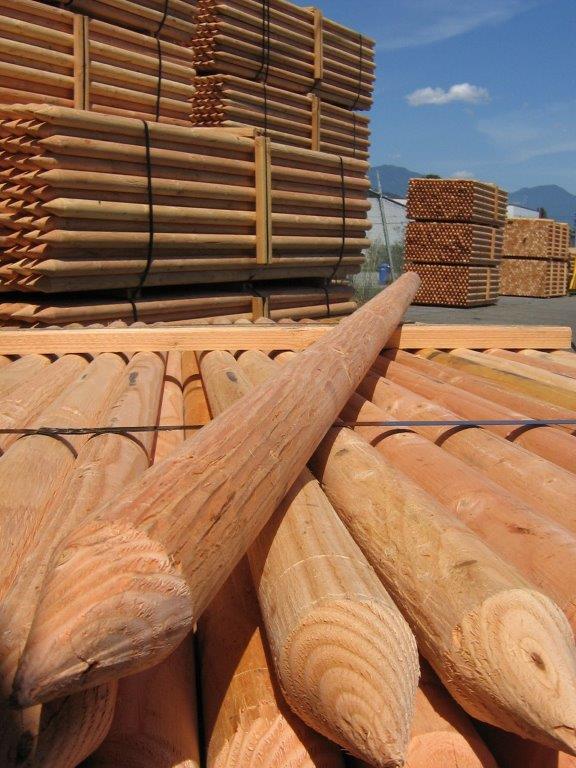
Douglas Fir stakes are made from a softwood species known for its excellent strength-to-weight ratio. Because of this, they are widely used across the construction industry.
In most cases, Douglas Fir stakes are lightweight, easy to handle, and cost-effective. Additionally, their straight grain structure allows for consistent performance when driving them into the ground.
For large-scale jobs, this combination of strength and efficiency makes Douglas Fir a reliable choice.
What Are Hardwood Stakes?
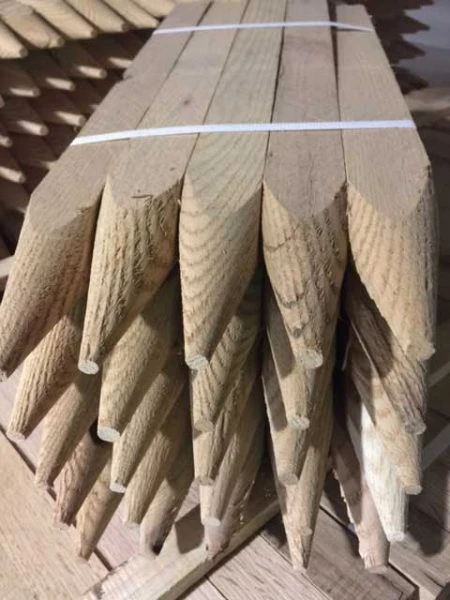
Hardwood stakes are typically manufactured from dense wood species such as oak or maple. Compared to softwoods, these materials are significantly heavier and more rigid.
As a result, hardwood stakes are better suited for demanding applications. They are especially useful in situations where stakes must withstand repeated impact or be driven into compacted soil.
Because of their density, hardwood stakes tend to last longer under tough jobsite conditions.
Key Differences Between Douglas Fir vs Hardwood Stakes
Although both options serve similar purposes, there are several important differences to consider.
Strength and Flexibility
Douglas Fir stakes offer a balance of strength and flexibility. They can absorb some impact without breaking, which makes them suitable for general use.
On the other hand, hardwood stakes are much denser and more rigid. While they hold their shape extremely well, they are less forgiving under stress.
Durability in Jobsite Conditions
When comparing durability, hardwood stakes typically have the advantage. Their dense structure allows them to perform well in rocky or compacted soils.
In contrast, Douglas Fir stakes are ideal for short-term or standard applications. However, they may wear down more quickly in harsher environments.
Weight and Ease of Use
One of the biggest advantages of Douglas Fir stakes is their lighter weight. This makes them easier to transport, carry, and install—especially on large jobs requiring high volumes.
Hardwood stakes, while stronger, are heavier and can slow down installation time.
Cost Considerations
Cost is another major factor when comparing Douglas Fir vs hardwood stakes.
Douglas Fir stakes are typically more affordable and widely available. Therefore, they are often the preferred choice for jobs where stakes are used in large quantities or for single-use applications.
In comparison, hardwood stakes come at a higher price point due to their durability and density.
Resistance to Splitting
When driving stakes into hard ground, splitting can be a concern.
Hardwood stakes are naturally more resistant to splitting under repeated hammering. Meanwhile, Douglas Fir stakes may split more easily, especially if knots are present.
When to Use Douglas Fir Stakes
Douglas Fir stakes are a strong choice for many standard applications. For example, they are commonly used in:
- Concrete forming in normal soil conditions
- Site layout and grading
- Agricultural row marking
- Temporary jobsite applications
Because they are lightweight and cost-effective, they are ideal for high-volume use.
When to Use Hardwood Stakes
Hardwood stakes are better suited for more demanding environments. In particular, they perform well in:
- Rocky or compacted soil
- Heavy-duty forming applications
- Tree staking requiring long-term support
- Jobs where stakes may be reused
In these situations, durability and strength are more important than cost.
Douglas Fir vs Hardwood Stakes: Which Is Better?
Ultimately, the choice between Douglas Fir vs hardwood stakes depends on your project requirements.
If you need a cost-effective solution for large jobs, Douglas Fir stakes are often the better option. However, if your jobsite conditions are more demanding, hardwood stakes provide the durability needed to get the job done.
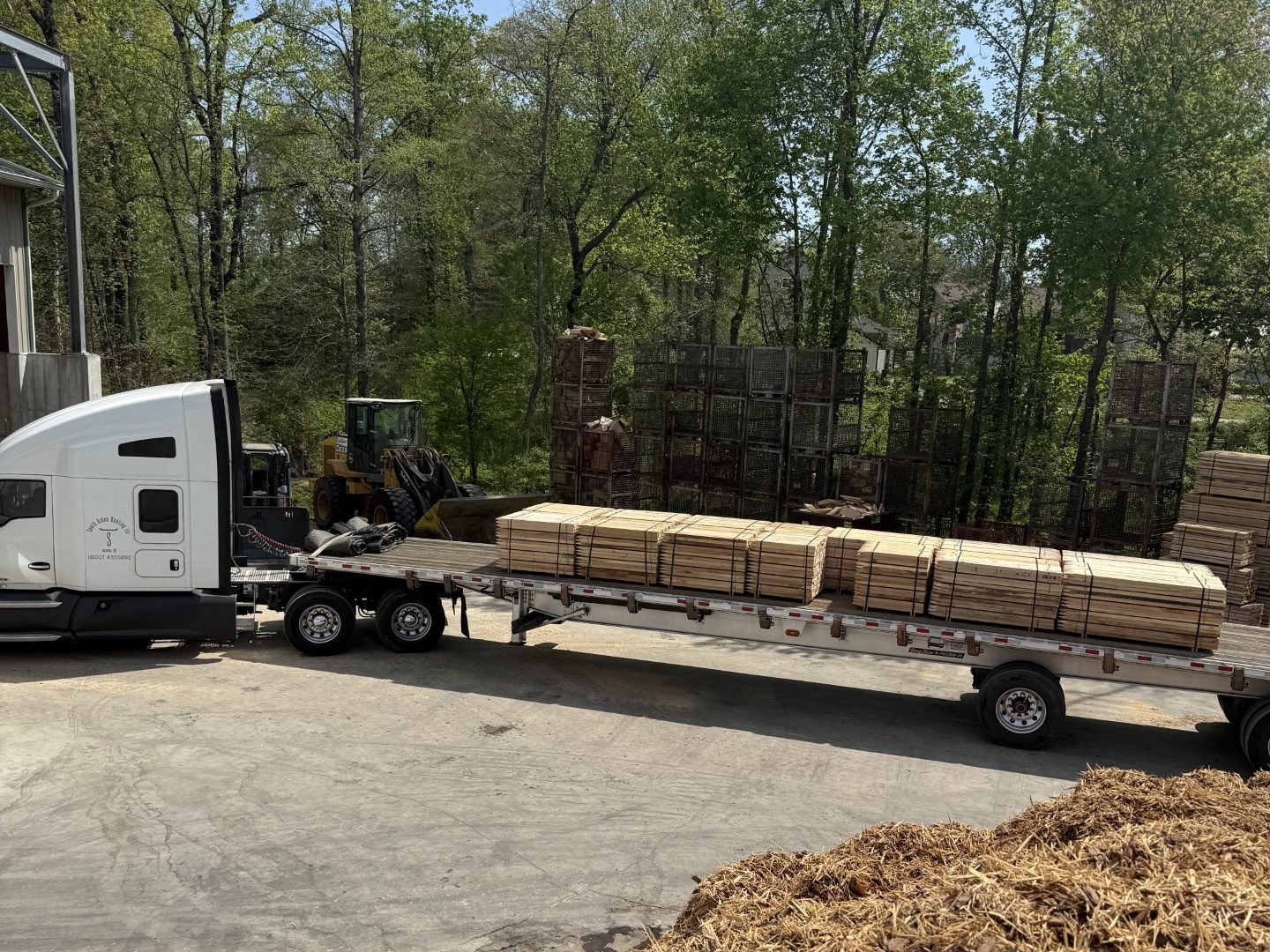
For many contractors and lumber yards, stocking both options ensures you are prepared for any application.
Final Thoughts
Although stakes are often overlooked, choosing the right material can make a significant difference in performance and efficiency.
By understanding the differences between Douglas Fir vs hardwood stakes, you can make more informed purchasing decisions and improve jobsite results.