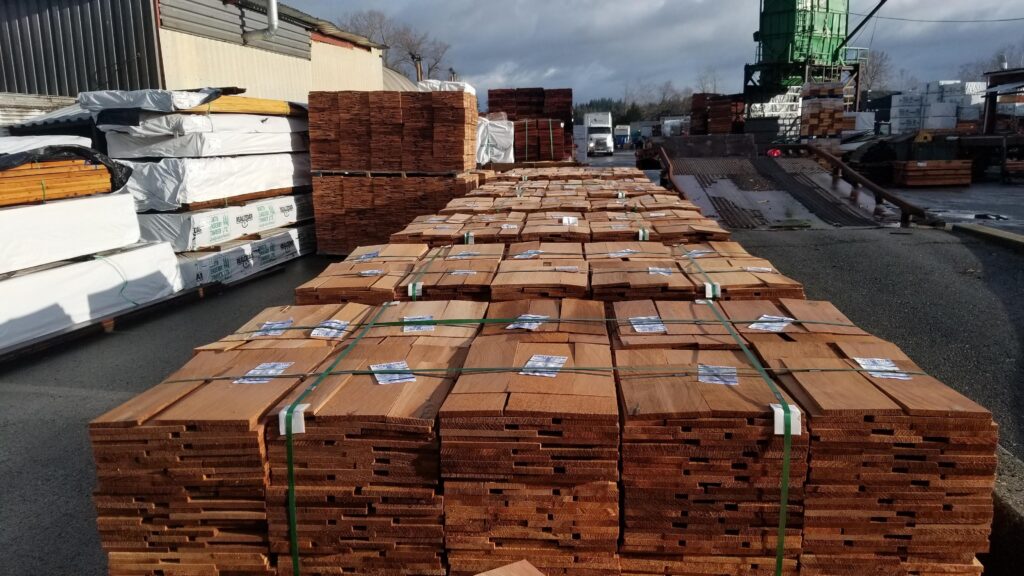
Cedar shakes and shingles are one of the most beautiful and time-tested exterior materials in North America. They’re also known for being durable — but many homeowners, builders, and contractors still ask the same question:
How long do cedar shakes and shingles last?
In most cases, cedar shakes and shingles last 25 to 40 years, and in ideal conditions they can last 50 years or more. However, the real lifespan depends heavily on climate, roof design, ventilation, installation quality, and long-term maintenance.
Average Lifespan of Cedar Shakes and Shingles
Here’s a realistic lifespan range for cedar:
Cedar Shakes
- Typical lifespan: 25–40 years
- Potential lifespan (best-case): 40–50+ years
Cedar Shingles
- Typical lifespan: 20–35 years
- Potential lifespan (best-case): 35–45+ years
In general, cedar shakes tend to last longer than cedar shingles because they are thicker and more rugged — especially in roofing applications.
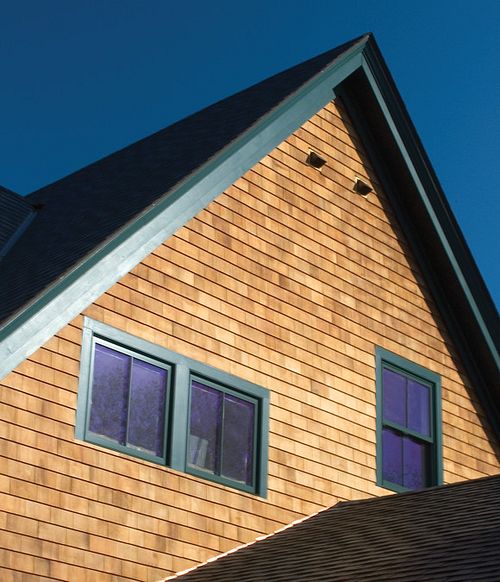
Cedar Roofing vs. Cedar Siding Lifespan
Cedar shakes and shingles are used on both roofs and walls, but they don’t always wear the same way.
Roofing
Roofing faces the most exposure from:
- UV sunlight
- rain and snow
- wind-driven moisture
- ice and freeze-thaw cycles
Expected lifespan: 25–40 years
Siding
Cedar siding is often less exposed than roofing, depending on the wall orientation and overhangs.
Expected lifespan: 30–50 years
In many cases, cedar siding lasts longer simply because it dries faster and holds less moisture than a roof.
What Impacts the Lifespan of Cedar Shakes and Shingles?
Cedar is naturally resistant to decay and insects, but it’s still wood — and like any wood product, it performs best when moisture is controlled.
Here are the biggest factors that determine how long cedar lasts.
1. Climate and Moisture Exposure
Cedar performs very well in East Coast construction, but humidity, rain, and coastal conditions can shorten its lifespan if moisture stays trapped.
The key is making sure cedar can drain and dry properly.
2. Roof Pitch
Roof pitch plays a major role in cedar longevity.
A steeper roof:
- drains water faster
- holds less snow and ice
- dries more quickly
Lower-slope roofs are more likely to trap moisture and develop moss, which can shorten cedar lifespan.
3. Ventilation
Ventilation is one of the most important factors in cedar performance.
Poor ventilation can cause:
- trapped heat
- trapped moisture
- faster aging and splitting
- premature rot
Proper ventilation helps cedar dry out and improves the lifespan of the entire roof system.
4. Installation Quality
Even premium cedar won’t last if it’s installed incorrectly.
Some common issues include:
- wrong nail type
- improper exposure
- poor spacing
- using the wrong underlayment
- missing moisture management details
5. Maintenance
Cedar doesn’t require constant upkeep, but it does benefit from periodic maintenance.
To extend cedar lifespan:
- keep gutters clear
- remove debris from valleys
- trim back overhanging branches
- prevent moss buildup
A clean roof that dries quickly almost always lasts longer.
How to Tell When Cedar Needs Replacement
Cedar naturally weathers over time, but these signs can indicate the material is reaching the end of its lifespan:
- widespread splitting and cracking
- curling or cupping
- soft spots or rot
- shakes breaking off at edges
- recurring leaks
- heavy moss growth that returns quickly
Do Cedar Shakes Last Longer Than Asphalt Shingles?
In many cases, yes.
Typical asphalt shingles last:
- 15–30 years (depending on the product)
Cedar shakes and shingles often last:
- 25–40 years (and sometimes longer)
Cedar also offers a high-end appearance and strong long-term value, especially for custom homes.
Final Thought
Cedar shakes and shingles typically last 25 to 40 years, with the potential to exceed 50 years in the right conditions.
The biggest factors that affect cedar longevity are:
- moisture control
- roof pitch
- ventilation
- installation quality
- maintenance
Wholesale Cedar Shakes and Shingles from Capital Forest Products
Capital Forest Products supplies wholesale cedar shakes and shingles for contractors, lumber yards, and building material dealers across the East Coast.
If you need help selecting the right cedar product for your market, our team is here to help.